
Asbestos
What is Asbestos?
Asbestos is a group of naturally occurring minerals made up of fine, durable fibers that are resistant to heat, fire, and chemicals. Because of these properties, asbestos was widely used in building materials (like insulation, roofing, and flooring) and industrial products.

What to Look For
Materials that look fibrous, chalky, or crumbly when damaged.
Areas with discoloration, cracks, or water damage — these increase risk of fiber release.
Any product installed before the mid-1980s, unless clearly labeled as asbestos-free.
What are the possible Health Hazards of Asbestos?
Asbestos is highly hazardous to health when its fibers become airborne and are inhaled. Long-term exposure can lead to serious diseases such as:
Asbestosis (lung scarring)
Lung cancer
Mesothelioma (a rare, aggressive cancer of the lining of the lungs or abdomen)
Due to these risks, the use of asbestos is now banned or heavily restricted in many countries. In California, the use of asbestos in textured paint and patching compounds was banned in 1977. While there isn't a complete ban on asbestos in all products, the federal government has phased out or restricted its use in various applications over time. Many buildings constructed before 1981 may still contain asbestos, especially those built between 1930 and 1950.
Why Professional Removal Is Crucial
DIY asbestos removal is illegal in many areas due to extreme health risks. Disturbing asbestos without proper containment can contaminate your entire home.vProfessionals are trained to handle and dispose of asbestos safely and legally.
Common Areas & Materials That May Contain Asbestos
Living Room / Bedrooms
Ceiling tiles or panels (especially 12"x12" tiles)
Popcorn ceilings or textured coatings
Wall plaster or joint compound (especially pre-1980s)
Vinyl floor tiles (usually 9"x9", 12"x12")
Floor tile adhesive (black mastic)
Window putty or caulking
Old electric heater insulation
Kitchen
Vinyl or linoleum sheet flooring
Adhesives under flooring
Fireproofing around stoves or old appliances
Cement board under countertops or behind tiles
Bathroom
Old caulking and sealants
Vinyl floor tiles or sheet vinyl
Cement board behind shower tiles
Wall or ceiling panels
Basement / Utility Room
Pipe insulation (wrapped in white or gray corrugated paper or fabric)
Boiler or furnace insulation (blankets, paper, or plaster-like material)
Duct insulation or tape (silver tape may contain asbestos)
Asbestos cement sheets on walls or ceilings
Old water heater insulation jackets
Exterior Areas
Roof shingles or felt paper
Siding (especially cement-based shingles)
Eaves and soffits
Gutter linings
Old window glazing or caulking




Why should I test for asbestos?
You should test for asbestos to protect your health and comply with safety regulations—especially if you're in an older home, workplace, or planning renovations. Here’s why it’s important:
1. Asbestos Can Be Hidden
It was widely used in buildings built before the 1980s.
Common materials include: insulation, floor tiles, ceiling tiles, cement, siding, roofing, and textured paints.
2. Disturbing It Can Release Dangerous Fibers
Asbestos is not harmful if left undisturbed and intact.
Cutting, sanding, drilling, or demolishing materials that contain asbestos can release toxic fibers into the air.
3. Health Risks Are Serious
Inhaled fibers can get stuck in your lungs.
Can cause:
Asbestosis
Lung cancer
Mesothelioma
Symptoms may not appear for 10–40 years after exposure.
4. It May Be Legally Required
Testing is often required by law before:
Renovations or demolitions
Selling or leasing properties
Commercial property assessments
5. Proper Removal Requires Experts
If asbestos is found, it must be removed by licensed professionals following strict safety guidelines.
DIY removal is dangerous and often illegal.
When is Asbestos testing most necessary?
1. Before Renovation or Demolition
Any cutting, tearing, or drilling can release fibers if ACMs are present.
2. If You Live or Work in a Pre-1980s Building
Asbestos was commonly used until the early 1980s, and in some places even longer.
3. When Materials Are Damaged or Deteriorating
Cracked floor tiles, crumbling insulation, or flaking ceiling texture could be ACMs.
4. For Real Estate Transactions
Testing may be part of inspections, especially in commercial or older residential properties.
5. After a Natural Disaster (Fire, Flood, Earthquake)
Damage can disturb ACMs and release fibers.
How Asbestos Is Removed (Step-by-Step)
1. Inspection & Testing
A certified asbestos inspector tests the material to confirm asbestos content.
The area is assessed to determine the type of asbestos and the safest removal method.
2. Permit & Preparation
Permits may be required depending on local laws.
A detailed abatement plan is created, and the area is prepped for containment.
3. Containment Setup
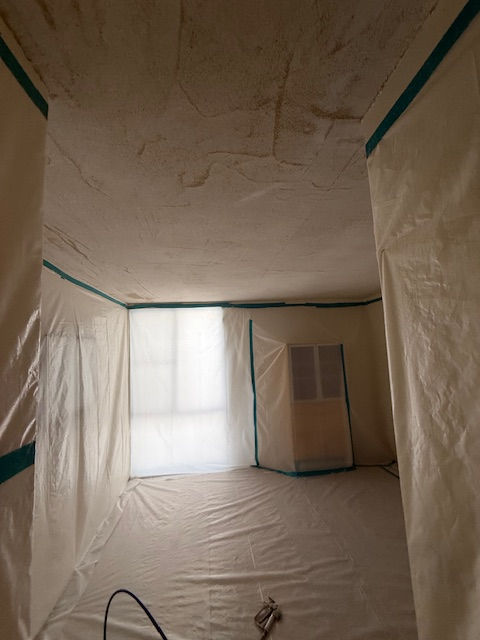
The work area is sealed off with plastic sheeting and negative air pressure units (to prevent fibers from escaping).
Warning signs are posted around the perimeter.
Air vents, doors, and windows are sealed.
4. Workers Suit Up
Licensed abatement workers wear:
Full-body disposable suits
Gloves
Boot covers
Respirators with HEPA filters
5. Safe Removal
Asbestos materials are carefully wetted to reduce dust and fiber release.
They are gently removed—never broken or sanded.
Removed materials are double-bagged in heavy-duty plastic bags labeled as hazardous.
6. Cleanup & Decontamination
Work area is HEPA vacuumed and wet-wiped thoroughly.
A decontamination unit is used for workers to safely exit the area.
All disposable protective equipment is properly sealed and disposed of.
7. Final Air Testing
After cleanup, air samples are taken to ensure fiber levels are safe.
Only when the air is confirmed safe is the containment removed.
8. Disposal
Asbestos waste is taken to a licensed hazardous waste landfill.
Transportation and disposal are tracked and documented.